PERMANENT ANCHOR CONSTRUCTION PROCEDURE
PERMANENT ANCHOR CONSTRUCTION
The SSC-PA (Permanent Anchor) system is a type of permanent anchor that generates tensile frictional force.
The SSC-PA (Permanent Anchor) system is a type of permanent anchor that generates tensile frictional force.
ANCHOR DRILLING FOR WEAK SOIL STABILIZATION AND LANDSLIDE PREVENTION
Neo SSC-TA (Temporary Anchor) là hệ thống neo tạm thời không tháo rỡ được, được sử dụng phổ biến trong phương pháp xử lý hố đào sâu kết hợp tường cừ hoặc tường vây cho các công trình dân dụng.
The ground anchor is a system that stabilizes and resists excessive displacement of a structure by transmitting tensile and compressive loads applied to the load-bearing soil layer.
Neo SSC-TA (Temporary Anchor) is a temporary anchor system that cannot be dismantled, commonly used in the treatment of deep excavations in combination with pile walls or diaphragm walls in temporary anchorage construction.
Established with the mission to connect – promote – and spread Vietnamese values in the international market, SAVINA LINK serves as a strategic bridge between Vietnam and the Middle East, contributing to the enhancement of bilateral trade, investment, and cultural cooperation. As an independent legal entity, the company is authorized to sign contracts, issue invoices, and fully conduct business operations in Saudi Arabia.
The entire Minh Duc family together set foot on the Bach Long Glass Bridge in Moc Chau — the renowned structure certified by the Guinness World Records as “The World’s Longest Walking Glass Bridge,” with a record-breaking total length of 632 meters.
Minh Duc France serves as a commercial bridge between Vietnamese and French enterprises, promoting bilateral economic cooperation and expanding investment and development opportunities for businesses in both countries. We provide comprehensive trade promotion services, including business consulting, partner connection, legal support, market research, and assistance with import-export procedures and logistics in France.
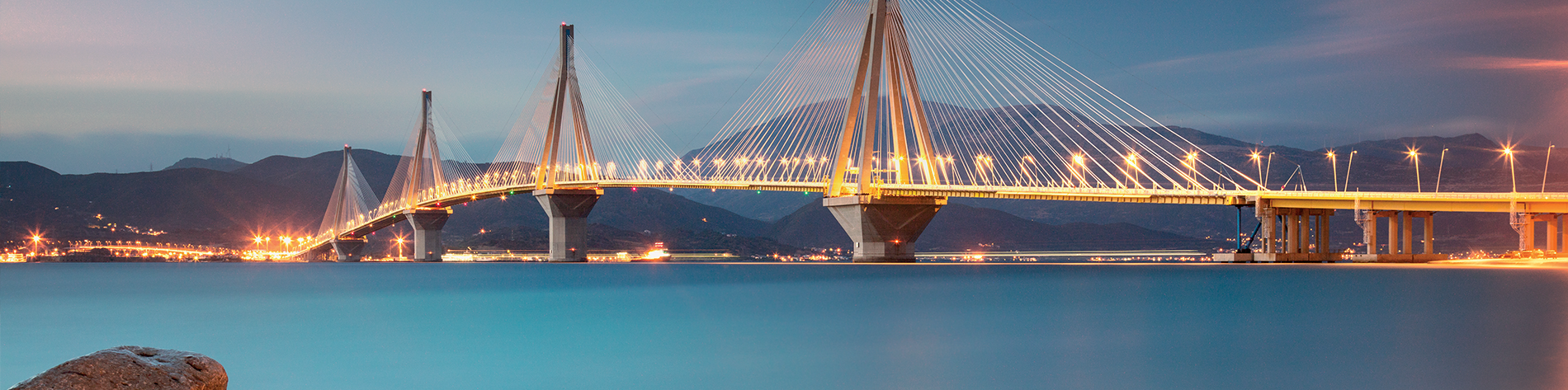
The greatest strength of suspension bridges lies in their ability to span hundreds or even thousands of meters, enabling the crossing of wide rivers, deep valleys, or straits where other bridge types are difficult to construct. In addition, suspension bridges offer several other advantages:
Landslide mitigation and slope stabilization are specialized geotechnical challenges that intersect with various other fields of construction. Therefore, engineers involved in the design and implementation of slope stabilization must possess strong interdisciplinary knowledge, solid technical foundations, and, most importantly, practical experience